
Sandwell SHAPE Programme 2025
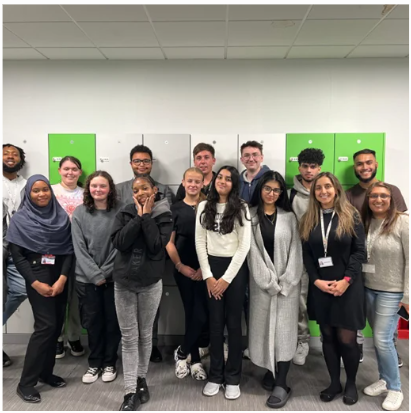
The SHAPE team
Objectives
- The purpose of the SHAPE Survey is to consult with children and young people ranging from the age of 8 – 18 years. It allows council members, senior leaders, officers and partner agencies to be able to understand the experiences, needs, issues and views of young people in Sandwell.
- The information from this study will enable stakeholders to reflect on the services they offer to young people and identify from the responses in the survey, if any changes need to be made based on the consultation results.
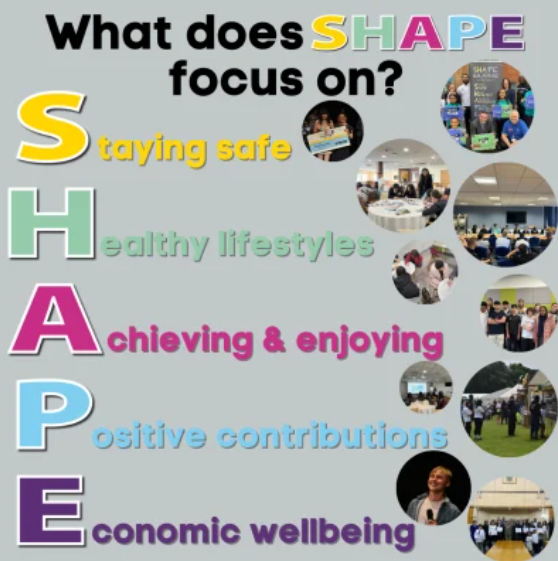
SHAPE's vision
Why is this research important?
The SHAPE Survey has been conducted since November 2014, when the SHAPE Programme was first introduced as a child’s voice initiative. It is a means to consult with young people on the five SHAPE themes: Staying Safe, Being Healthy, Enjoying and Achieving, Making a Positive Contribution, and Economic Wellbeing.
Children and young people need to be listened to, so they can be supported adequately, and their needs can be met, particularly to improve their mental health and wellbeing.
The SHAPE Survey offers a cross-section of consultation on a number of topics affecting the lives of young people and is the only survey distributed to every school in Sandwell on a regular basis. In 2025, the online survey was developed for Primary School children from years 5 and 6 and Secondary School children from years 7 – 13. The link to the survey was distributed to all Primary, Secondary, Special Schools and alternative provisions in Sandwell.#
What we did, with who and how
There were 3 participant groups for the survey, these included the following:
- Primary School Pupils from years 5 and 6
- Secondary School Pupils from years 7 to 13
- Young people from years 9 to 18
An online survey was developed by the Public Health Intelligence Team with the questions formulated by the SHAPE Team and internal and external partners who had an interest in consulting with young people on their services.
Once the survey was developed and tested, the links were sent to all schools through the regular school’s communication bulletin to Head Teachers. Head Teachers were asked to distribute the survey for pupils in their schools to complete.
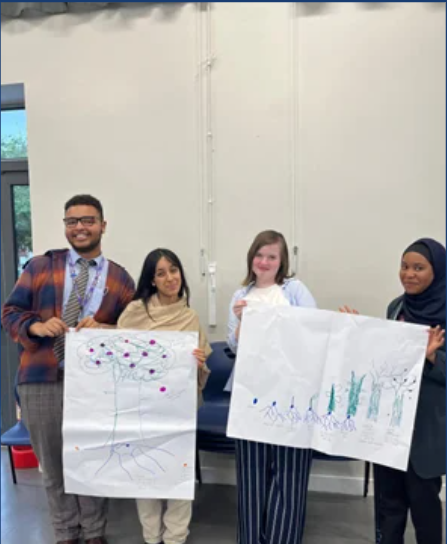
Photo of a SHAPE event
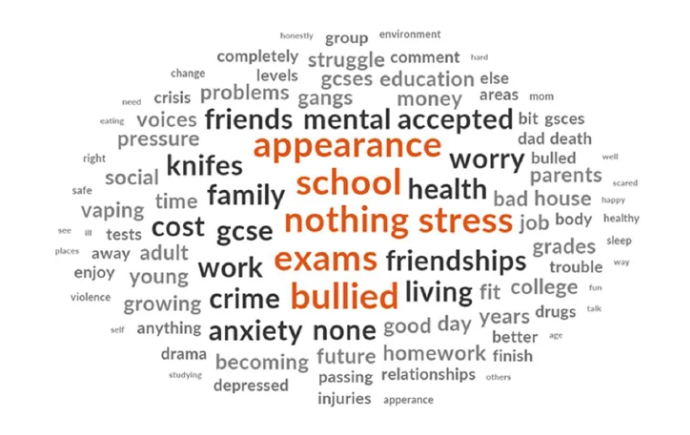
Word Cloud of results from the SHAPE 2025 survey of school age children
Skills Development
- Through this work we have learned to do thematic analysis of qualitative data.
- Also doing the survey over 10 years, we have tried to identify trends by having some key questions which allows collating baseline data.
- These skills have been taught to the rest of the SHAPE team.
- These skills will also help when new software is procured such as NVivo by the council.
Benefits for Sandwell
- The survey informs business planning for the council and contributes to the overall corporate plan.
- Last year a Children’s version of the corporate plan was developed which was co-produced by children and young people and included recommendations and actions from the SHAPE survey.
- The Survey also provides Sandwell with key topic areas to cover at the annual SHAPE Our Future Schools conference.
- It helps raise awareness of issues and offer some support on the topics which have been raised as issues such as vaping.
Research Outcomes
The total number of students that took part in the survey was 2,552 which is a 10.8% response rate of all children in years 5 to 6 in primary schools and 5.5% of all young people in years 7 to 13 in secondary schools.
The main concerns from the report portray that children and young people have include crime, substance misuse (especially vaping) and bullying, often linked to appearance. Mental health support is usually sought from parents, teachers or friends, though many try to cope alone. There is a clear need for more support to build self-confidence and emotional resilience.
Young people feel that schools promote healthy lifestyles, but mental health support is less visible. SEND pupils report lower levels of wellbeing and support. Young people want more life skills education, particularly around money, taxes and financial literacy. Digital use is widespread: primary pupils favour gaming, while secondary pupils use social media. Online safety concerns are growing, especially around contact with strangers, cyberbullying and harmful content
When asked what improvements they would like to make in Sandwell, young people want a cleaner, safer and more inclusive Sandwell, with better parks and public spaces.
To learn more please contact:
Or visit: