

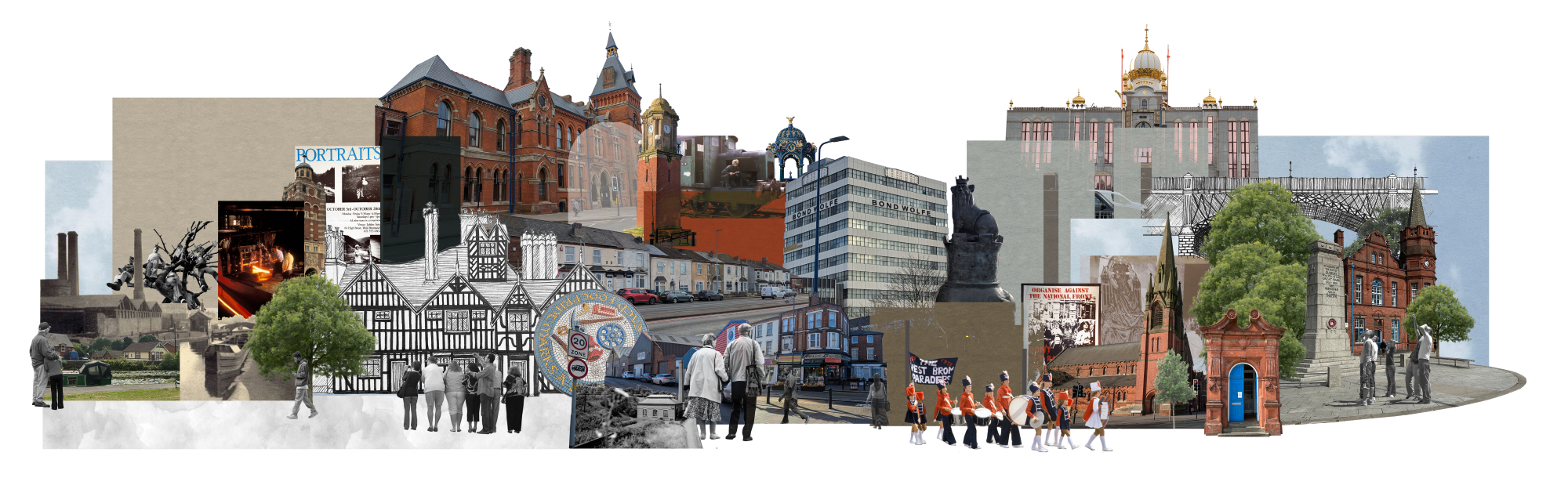
Sandwell Design Code
We've started developing a Design Code for Sandwell to help guide future developments
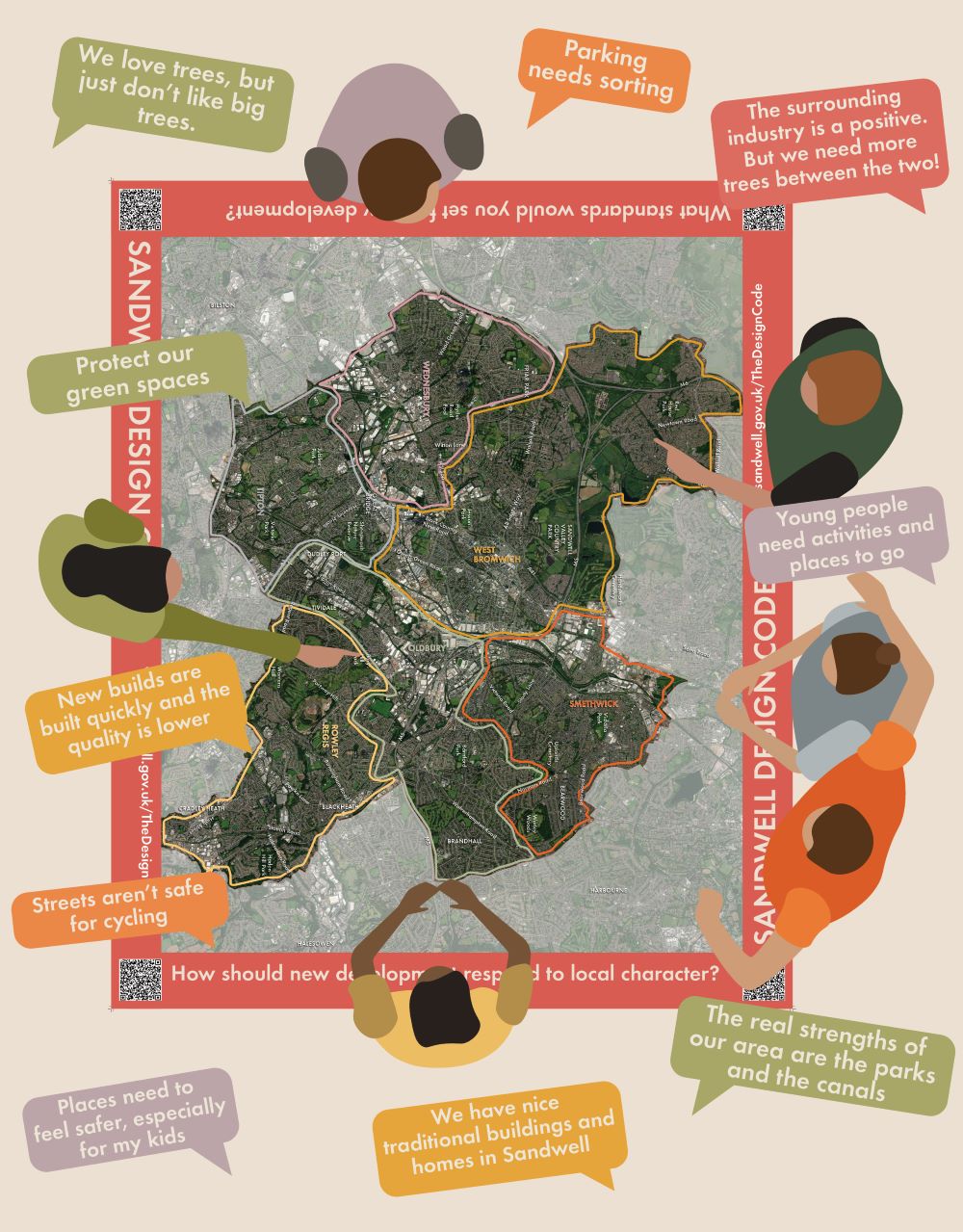
Stage 1 Findings
The team have been analysing all the inputs, and more details will be posted here shortly. In the interim, here is a summary of the headline themes emerging.
Latest News
Find out what's been happening!
Sandwell Design Code
Sandwell Council has started work on developing a Design Code. A Design Code is a planning document that includes a set of design requirements for the physical development of an area. It will include a review and replacement of our existing Residential Design Guide Supplementary Planning Document. National Government requires all local authorities to establish design codes, and Sandwell is looking to develop a best practice borough-wide example.
The council has appointed an experienced team led by Allies and Morrison Urban Practitioners and is currently engaging with local community groups to understand their priorities for design, local character, and new development in the borough.
We want local people to help steer what the Design Code says and want to encourage as many people as possible from across the borough to input and feed into the process from the outset.
What is a Design Code
A Design Code is a set of simple, concise, design requirements for new development in an area. The government’s National Planning Policy Framework makes clear that all local planning authorities must prepare them.
The Design Code will establish a set of rules which all new development in the borough must adhere to through the planning process. It will help raise the quality of development across the borough as a whole and help ensure design proposals are directly informed by the character of distinct areas. Some examples of the aspects that design codes can cover include parameters for building height, parking provision and green or open space amenity.
How can you have your say?
There are four stages to the production of the Design Code. (The consultation for the first 3 stages form a non-statutory element and the formal consultation will be carried at stage 4) We are currently in Stage 2.
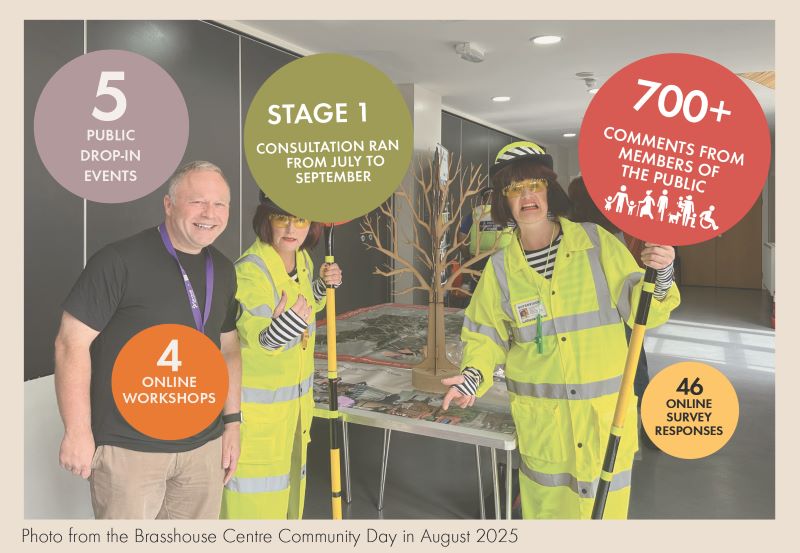
- Stage 1: Analysis and understanding (June-October 2025). This stage was undertaken between June and October and involved data and mapping analysis to understand local character and reaching out to local groups and stakeholders to understand the design priorities in each part of the borough.
- Stage 2: Vision and principles (November 2025-Spring 2026). This stage involves consolidating what we have learnt into a spatial vision for Sandwell alongside borough-wide principles for new development.
- Stage 3: Draft code (Summer -Autumn 2026). This stage will involve iteratively developing design codes for specific parts of the borough expected to experience the greatest amount of new development.
- Stage 4: Formal consultation. Once the final draft Design Code document has been prepared this will be subject to public consultation.
The team has spoken with lots of local groups and stakeholders during Stage 1 to understand the design priorities in each part of the borough. Over the coming months we will be working with our Community Design Panel and stakeholders to inform and test the emerging work. In the December/January we will be posting an online survey for the wider public to provide further inputs and views to shape the emerging work, so please do get involved and let us know what your design priorities are.
If you already have thoughts or suggestions, you can send them through at any point to the Design Code project email address: Design_Code@sandwell.gov.uk
Community Design Panel
As we work up the Design Code for Sandwell we will be iteratively testing ideas and content. Our Community Design Panel is central to this. We were delighted that representatives from across the borough came forward to volunteer for this panel. Thank you to everyone that put themselves forward. We couldn’t accommodate all of you, but we sought to choose members that together are as representative of the borough as possible. The Panel therefore has a member from each of the six towns in the borough, representatives from the Youth Forum, Sandwell Visually Impaired (SVI) as well as a number of representatives of different faith communities and lived experiences.
The Community Design Panel met for its first session in November 2025 to explore the Stage 1 findings and to start considering a vision for design in the borough. The Community Design Panel will meet four or five times during the Design Code project to steer, test and review the emerging content.